Source Mini Pedaled Bicycle Air Pump for Mountain Bike, Road Bike, Ordinary Bicycle
Find a selection of 30 Mini Pedaled Bicycle Air Pump options suitable for mountain bikes, road bikes, and ordinary bicycles. Buyers can compare specifications such as pressure ratings, materials like aluminum alloy and steel, and customization availability from suppliers in China.
Key considerations
Products List


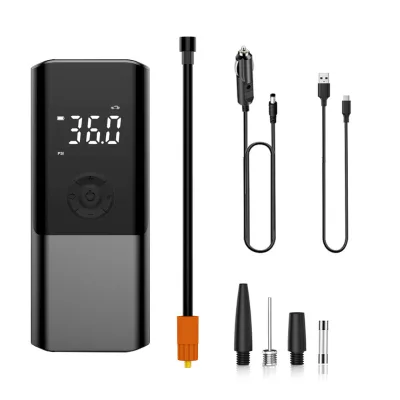
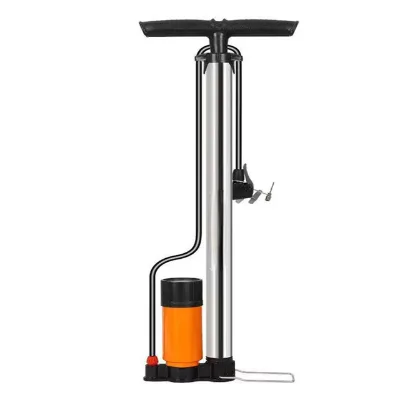
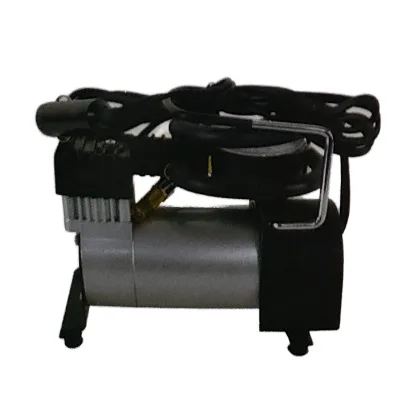
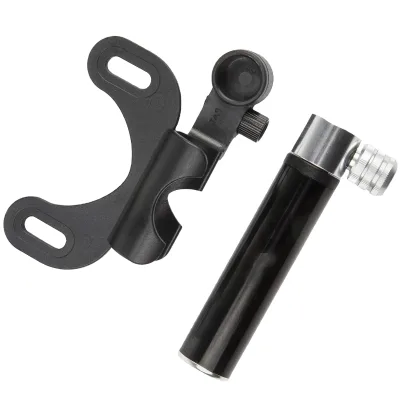
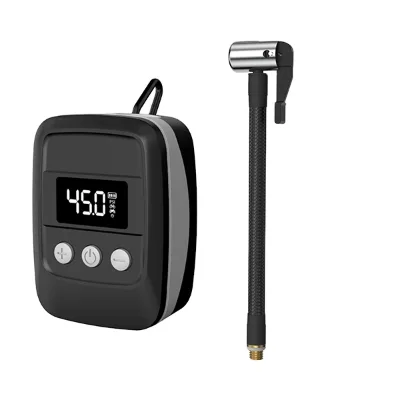
Mini Portable Cycling Pump Bicycle Air Inflator Aluminum Hand Mini Bike air Pump Bike Pump
$12.82 - $13.33
MOQ: 1000 pieces
Comprehensive Sourcing Guide
Strategic Sourcing Guide for Mini Pedaled Bicycle Air Pumps
The global demand for portable cycling accessories has driven a robust market for mini pedaled bicycle air pumps, devices designed to inflate tires and balls without reliance on external power sources. For B2B procurement professionals, sourcing these items requires a nuanced understanding of the intersection between mechanical design, material durability, and regulatory compliance. The product landscape is diverse, ranging from simple manual pumps to more complex units with integrated pressure gauges and specialized alloy constructions. This guide provides a structured approach to evaluating suppliers and products, ensuring that procurement decisions are grounded in verified facts and industry standards rather than marketing assertions.
Technical Specifications and Material Composition
When evaluating mini pedaled bicycle air pumps, the primary technical differentiator lies in the construction materials and the presence of functional accessories like pressure gauges. The supplied product data indicates a clear segmentation in material choices, with Aluminum Alloy and Steel being the predominant options. Aluminum alloy models often offer a balance of lightweight portability and corrosion resistance, making them suitable for mountain and road bike applications where weight is a critical factor. Conversely, steel variants provide enhanced durability and structural integrity, which may be preferred for heavy-duty use or environments requiring robust equipment.
A significant technical variable is the inclusion of a pressure gauge. The market data reveals products available both with and without gauges. Units equipped with gauges allow for precise inflation, which is essential for maintaining optimal tire pressure in high-performance road bikes or mountain bikes. Models without gauges rely on user estimation or tactile feedback, which may be acceptable for general-purpose use or ball inflation. The observed pressure ratings in the catalog range from 100 Psi (6.89 Bar) to 160 Psi (10.3 Bar), indicating that buyers must verify the maximum pressure capability against the specific tire requirements of their target market. For instance, high-pressure road bike tires typically require pumps capable of exceeding 130 Psi, whereas general bicycle or ball applications may be satisfied by lower pressure thresholds.
Furthermore, the physical dimensions and packaging standards vary significantly across models. Specifications such as box sizes ranging from 69mm41mm28mm to 1308834mm suggest a wide array of form factors. Buyers must align these dimensions with their logistics requirements, as compact units offer better portability for retail display but may have lower capacity or durability. The packaging types observed include cartons, bags, and bulk packs (e.g., 10PCS/Pack), which directly impact shipping costs and retail presentation.
Compliance and Certification Verification
Regulatory compliance is a non-negotiable aspect of international procurement, particularly for products that interact with consumer safety. The product data highlights several certifications, including CE, ISO, and FCC. The presence of CE marking is a critical indicator for products entering the European Economic Area, signifying conformity with health, safety, and environmental protection standards. Similarly, ISO certification suggests adherence to international quality management systems, which is a strong proxy for manufacturing consistency.
However, buyers must exercise caution when interpreting certification claims. The data lists certifications alongside color options (e.g., "CE,ISOColor:Blue,Red,Gold,Green"), which implies that certification status may be associated with specific product configurations or batches rather than being a universal attribute of the entire product line. It is imperative to request valid certification documents for the specific model and batch intended for purchase. For instance, while some models list "ISOCE" or "CE,FCC," others may only list "ISO" or specific color-coded certifications. The FCC certification, in particular, is relevant if the pump includes any electronic components, such as digital displays or charging capabilities, although the core mechanical function of a pedaled pump is typically non-electronic.
Buyers should verify that the certifications are current and issued by recognized bodies. Relying solely on the supplier's claim without documentation can lead to customs delays or product recalls. The data also mentions "Standard" attributes like "18.589.5cm" and "80.6mm50mm32.5mm," which appear to be dimensional standards rather than regulatory ones. These should be treated as product specifications to be verified against the physical sample, not as regulatory compliance markers.
Cost Drivers and Pricing Dynamics
The pricing structure for mini pedaled bicycle air pumps is influenced by a combination of material costs, manufacturing complexity, and order volume. The observed price range in the market spans from $0.32 to $29.00 USD, a wide variance that reflects differences in quality, features, and brand positioning. The lower end of the spectrum likely corresponds to basic steel or aluminum models without gauges, produced in high volumes with minimal packaging. The higher end of the range suggests premium features such as integrated gauges, specialized alloy construction, or advanced packaging solutions.
Order Volume is a primary cost driver, as evidenced by the Minimum Order Quantity (MOQ) range of 1 to 6000 units. Suppliers offering an MOQ of 1 are typically targeting small retailers or dropshippers, often at a higher unit cost. Conversely, buyers capable of meeting an MOQ of 6000 can negotiate significantly lower per-unit prices, leveraging economies of scale. The data also notes an OEM requirement with an MOQ of 500 for customized branding, indicating that private labeling is a standard service but requires a substantial volume commitment.
Other cost factors include the customization options available. The product data confirms that customization is available, which can involve changes to color, packaging, or branding. These customizations add to the production cost and may extend lead times. Additionally, the condition of the product (listed as "New") and the specific model (e.g., TJ-QT-15, BL-BP-007) will influence the final price. Buyers should request detailed quotes that break down the cost of the base unit, customization fees, and shipping to understand the true total landed cost.
Typical Applications and Market Segmentation
Mini pedaled bicycle air pumps serve a diverse range of applications, catering to different cycling disciplines and user demographics. The product data explicitly lists applications for ordinary bicycles, mountain bikes, and road bikes, as well as for balls and motorbikes. This versatility allows suppliers to target multiple market segments with a single product line, though specific models may be optimized for certain uses.
For mountain biking, durability and portability are paramount. Aluminum alloy models with high pressure ratings (up to 160 Psi) are ideal for this segment, as they can withstand the rugged conditions of off-road cycling while providing the necessary pressure for high-volume tires. Road bike applications demand precision, making models with pressure gauges and lightweight construction highly desirable. The data mentions a weight of 353g for certain models, which is a relevant metric for cyclists who prioritize minimizing equipment weight.
The "Used for: All Ages" attribute suggests that these pumps are marketed as general-purpose tools suitable for families and recreational cyclists. The inclusion of "Bike Ball Motorbike" in the application list indicates a broader utility beyond just bicycles, appealing to owners of various two-wheeled vehicles. However, buyers must verify that the pump's pressure rating and nozzle compatibility match the specific requirements of motorbikes, which often have different tire pressure standards compared to bicycles. The "Folded: Unfolded" attribute further highlights the portability aspect, catering to users who need compact solutions for travel or emergency roadside repairs.
Supplier Evaluation and Quality Assurance
Selecting the right supplier is critical for ensuring product consistency and reliability. The data indicates that the origin of these products is China, a major manufacturing hub for cycling accessories. When evaluating suppliers, buyers should look for evidence of consistent quality control processes. The presence of "New" condition items and specific model numbers (e.g., HC-11657Z, A3) suggests a structured production line, but buyers must verify that the supplier maintains strict quality standards across all batches.
Quality control should focus on the mechanical integrity of the pump, the accuracy of the pressure gauge (if present), and the durability of the materials. Suppliers should be able to provide test results or quality assurance reports that confirm the pump can withstand the maximum pressure ratings without failure. The "Customized" attribute implies that the supplier has the flexibility to adjust production, but this also introduces a risk of variability. Buyers should request samples of customized units to ensure that the quality matches the standard product line.
Furthermore, the packaging standards (Carton, Bag, 10PCS/Pack) should be evaluated for their ability to protect the product during transit. Poor packaging can lead to damage, resulting in returns and reputational damage. Suppliers with a history of reliable shipping and robust packaging solutions are preferable. The "OEM: MOQ 500" requirement also serves as a filter; suppliers willing to work with this volume are likely more experienced in handling large-scale production and customization.
Long-Term Procurement Considerations
Sourcing mini pedaled bicycle air pumps is not merely a transactional activity but a strategic decision that impacts long-term business viability. Buyers should consider the scalability of the supply chain, the potential for product evolution, and the stability of the supplier relationship. The wide range of MOQs (1-6000) offers flexibility, but buyers should plan for growth by establishing relationships with suppliers who can scale production as demand increases.
The availability of customization is a key long-term asset. As market trends shift, the ability to adapt product colors, packaging, and features can provide a competitive advantage. However, buyers must balance the desire for customization with the need for consistency. Frequent changes in product specifications can disrupt supply chains and confuse customers. A stable product line with optional customization features is often the most effective strategy.
Finally, buyers should monitor the regulatory landscape. As international standards evolve, the certification requirements for these products may change. Maintaining a relationship with a supplier who is proactive about compliance and regularly updates their certifications will mitigate the risk of future disruptions. The data shows a mix of certifications (CE, ISO, FCC), indicating that the market is dynamic. Buyers should ensure that their suppliers are prepared to meet any new regulatory requirements that may arise in their target markets.
| Feature Category | Observation from Data | Procurement Consideration |
|---|---|---|
| Materials | Aluminum Alloy, Steel | Verify material grade for durability and weight requirements. |
| Pressure | 100 Psi to 160 Psi | Match pump rating to specific tire types (Road vs. Mountain). |
| Gauge | With Gauge / Without Gauge | Determine necessity of precision inflation for target market. |
| Certifications | CE, ISO, FCC | Request valid documentation; verify applicability to target region. |
| MOQ | 1 to 6000 | Align order volume with budget and storage capacity. |
| Packaging | Carton, Bag, Bulk Pack | Assess impact on shipping costs and retail presentation. |
| Origin | China | Factor in lead times and logistics costs from the source region. |
By adhering to these guidelines and leveraging the specific data points available, buyers can navigate the complex landscape of Mini Pedaled Bicycle Air Pump sourcing with confidence. The focus should remain on verifying facts, understanding the technical nuances, and building a supply chain that supports long-term business goals.
FAQs
What materials are used for mini pedaled bicycle air pumps?
These pumps are constructed from Aluminum Alloy or Steel. Aluminum alloy offers lightweight portability for mountain and road bikes, while steel provides enhanced durability for heavy-duty applications and general use.
Which certifications are available for these bicycle air pumps?
Common certifications include CE, ISO, and FCC. Some models list specific color-coded certifications, but buyers must verify valid documents for the specific batch to ensure compliance with European and international safety standards.
Can these pumps reach high pressure for road bikes?
Yes, models can reach maximum pressures ranging from 100 Psi to 160 Psi. High-pressure road bike tires typically require pumps capable of exceeding 130 Psi, so verify the specific rating against tire requirements.
What is the minimum order quantity for customized pumps?
The general MOQ ranges from 1 to 6000 units depending on the supplier. Customized branding typically requires an MOQ of 500 units, allowing for private labeling while maintaining production flexibility for smaller orders.
How does the presence of a gauge affect the pump?
Pumps are available with or without a pressure gauge. Units with gauges allow for precise inflation essential for high-performance bikes, while models without gauges rely on user estimation for general-purpose inflation tasks.
Where are these mini pedaled bicycle air pumps manufactured?
The products originate from China, a major manufacturing hub for cycling accessories. Buyers should evaluate suppliers based on their location and ability to maintain consistent quality standards across different production batches.